Kavli Institute for Brain and Mind
Programs and research that aim to increase our understanding of the origins, development, evolution, and mechanisms of the brain and mind

Our Mission & Impact
Transcending traditional disciplinary boundaries to accelerate neuroscience discoveries
KIBM fosters collaboration and new discourse among top scientists working to further our understanding of the origins, development, evolution, and mechanisms of brain function, from the brain's physical and biochemical machinery to the experiences and behaviors we call the mind.
We support innovative research at UC San Diego and The Salk Institute through grants to teams of investigators working on problems at the boundaries of our current knowledge about brain and mind. We also support the next generation of neuroscientists through our postdoctoral and undergraduate scholars programs.
Research Grants
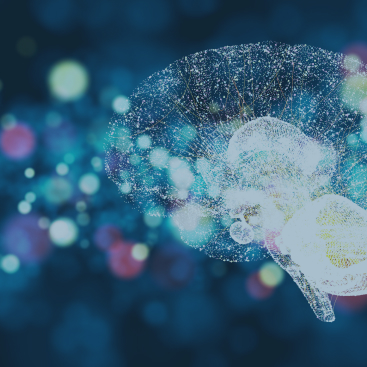
The KIBM IRG Program provides pilot funding to foster novel interdisciplinary neuroscience research at UC San Diego and Salk.

Postdoctoral Scholars
The KIBM Postdoctoral Scholars Program supports exceptional postdocs at UC San Diego and Salk to pursue innovative research in neuroscience.

CoB-KIBM Scholars
The CoB-KIBM Scholars Program provides summer research opportunities for UC San Diego undergraduate students interested in neuroscience.
21st Annual KIBM Symposium on Innovative Research
To locate Tata Hall on campus, please reference UCSD Maps. KIBM will hold its annual symposium on Friday, May 29, 2026, featuring talks from this year’s Innovative Research Grant recipients, the 2025-2026 Postdoctoral Scholars Program cohort, a Kavli Discovery Fellows recipient, and keynote speaker Diana Bautista from UC Berkeley.
RegisterLatest News

Learn more about KIBM
Serving to advance science and benefit humankind through innovative discoveries
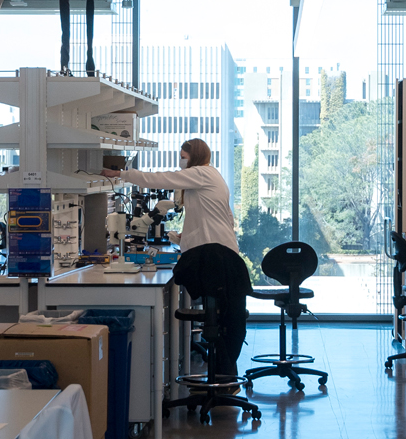
KIBM leverages UC San Diego's and The Salk Institute's preeminence in such fields as neuroscience, biology, cognitive science, psychology and medicine, along with the extensive resources of the broader La Jolla scientific community, to extend its position as the pacesetter in brain-mind research and education.